From ideal to reality, "Coal Capital" has done such a zero-carbon experiment.
Bill Gates asserted in "Climate Economy and the Future of Mankind": "Those who took the lead in establishing the great ‘ Zero carbon ’ Enterprise and the Great ‘ Zero carbon ’ Industrial countries will lead the global economy in the coming decades. "
Entrepreneurs who have devoted themselves to science and technology have never been stingy with the grand imagination of depicting the future picture of mankind. Surprisingly, in this uncertain environment, it seems difficult for you to find a common divisor that is accepted by most countries and industries.
Everything about carbon is an exception. Under the imminent crisis of survival brought by climate change, this understanding is gradually accepted:Carbon reduction is in progress, and zero carbon is ideal.
Although we know that the destination is there, which way to go is still a mystery — — Just like this summer, a war around the periodic table of elements in new energy batteries started in turn. After carefully calculating the cost of electricity, eager investors can only hope for scientific and technological progress and business model innovation.
Is "zero carbon" really just a utopia that no one has ever seen?
On the endless plateau desert in Inner Mongolia, China, a large number of modern factories have sprung up. Of course, it is not unusual to build a new factory. What is unusual is that they gave up the east, which is closer to the market, and instead built the factory to the west of Hu Huanyong Line, which is not so bright in traditional economic geography. Surprisingly, it can achieve stable, low-cost and green energy supply in the face of global energy crisis; Surprisingly, the products produced here can easily meet the EU’s carbon footprint requirements, and are exported to the world without fear of carbon tariffs.
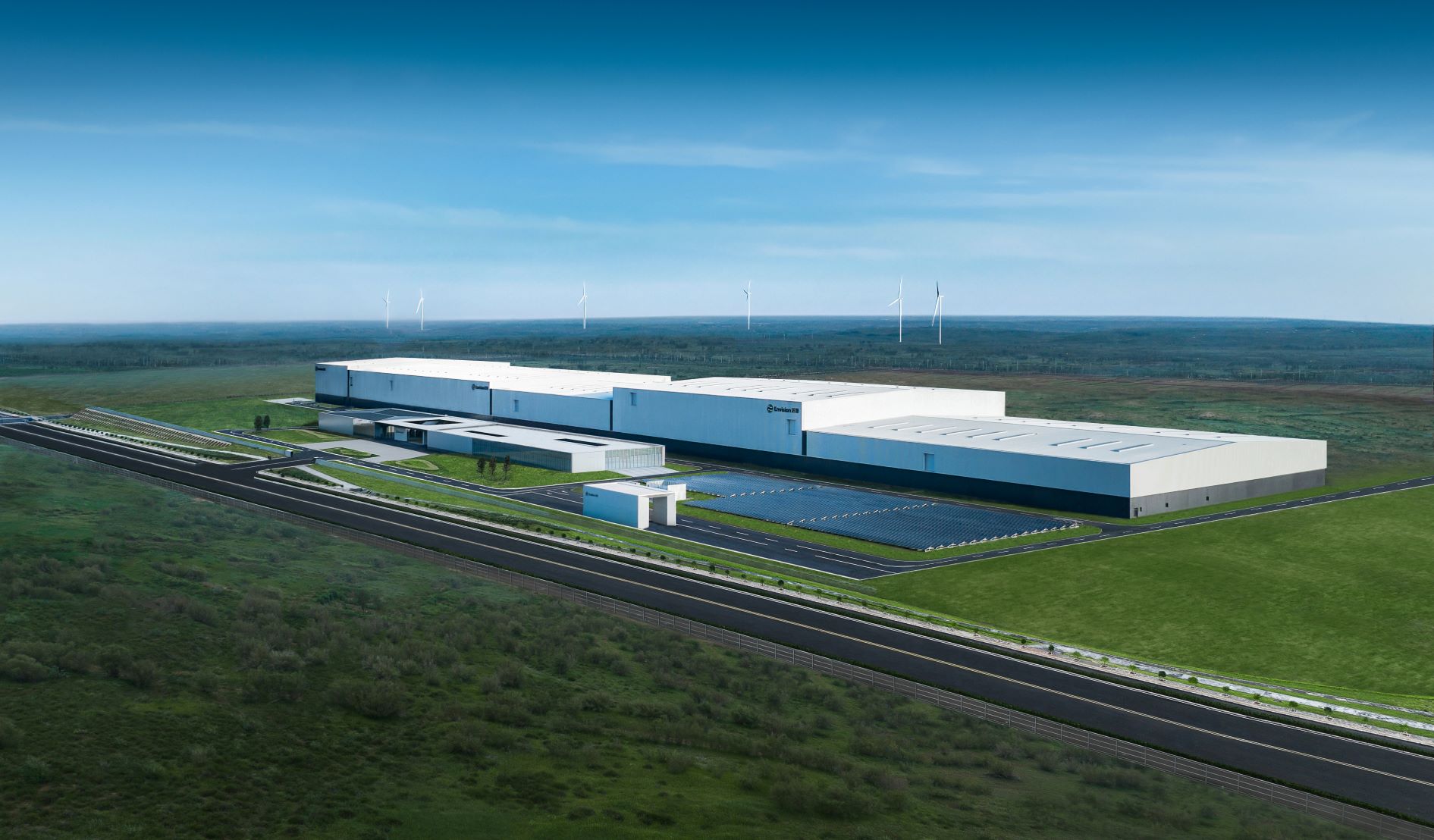
This is Ordos, once the world-famous largest "coal capital" in China.In the past year, another name that was frequently mentioned was "Manchester" on the Yellow River.— — The world industrial revolution originated in Britain, and the British industrial revolution originated in Manchester. Today, Ordos has become a force that cannot be ignored in the new round of green industrial revolution.
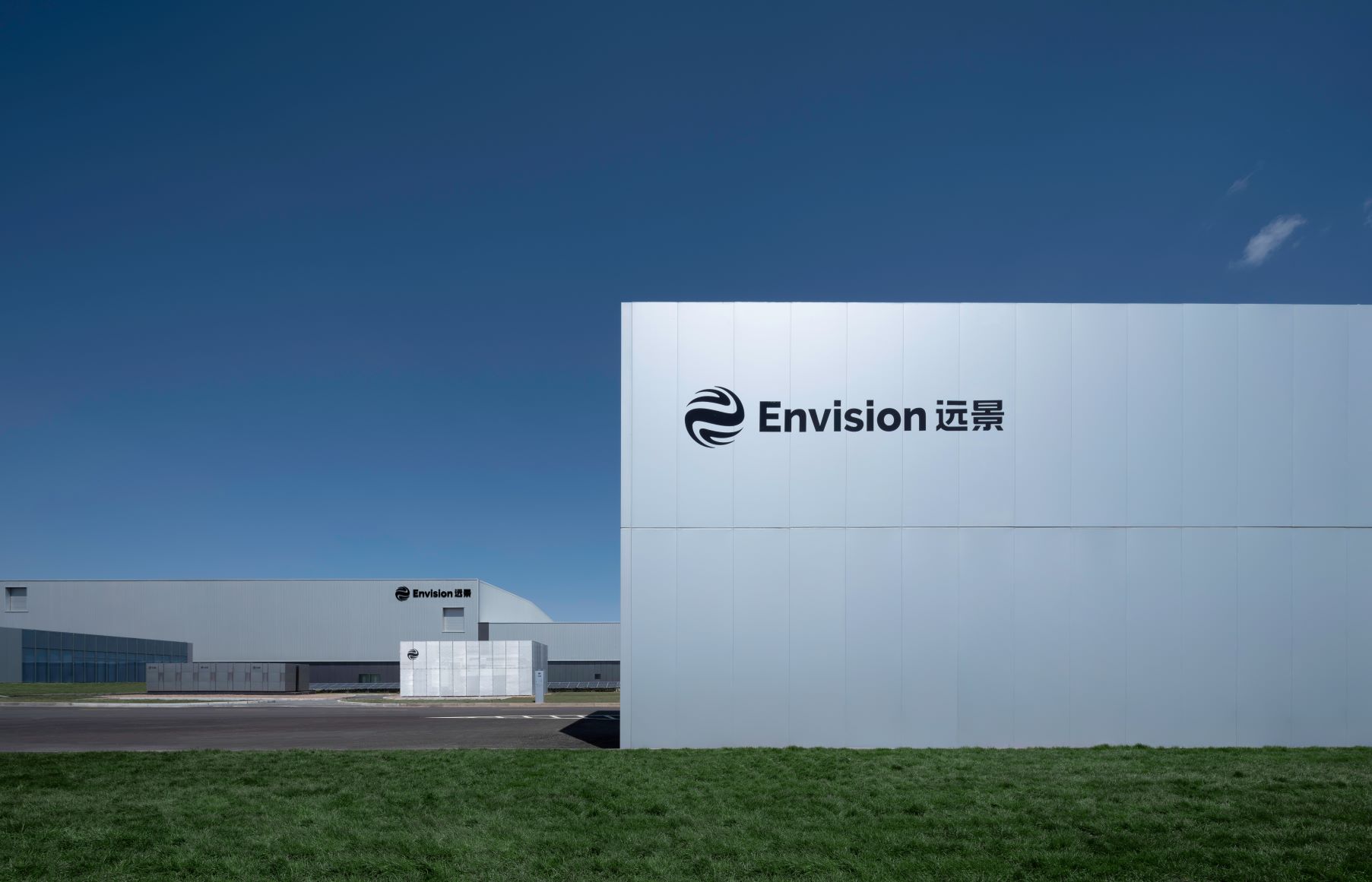
All this is because Ordos made a bold experiment: in April this year, the world’s first zero-carbon industrial park — — Vision Ordos Zero Carbon Industrial Park landed here. In less than a year, it has flourished at a speed exceeding expectations.A new power system with new energy as the main body has been built, digital energy and carbon management technologies have been applied, and the scale of 100 billion-level new energy industrial clusters has begun to appear.
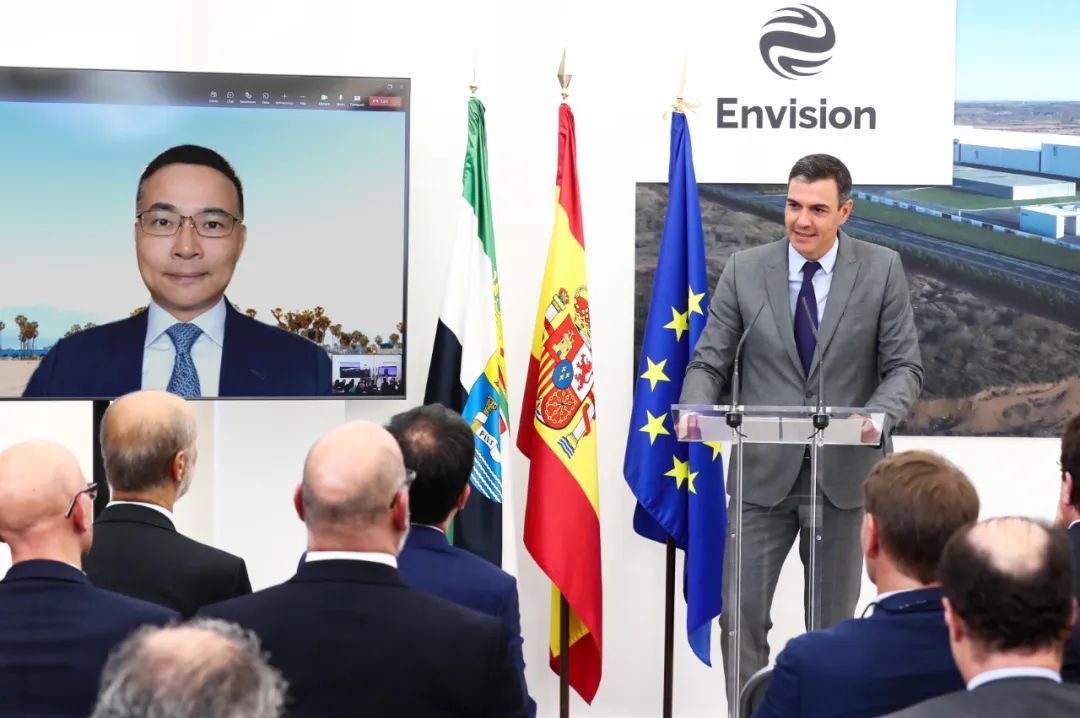
In July this year, we saw that the zero-carbon industrial park model pioneered in Ordos has been "exported" overseas: Yuanjing Technology Group signed a strategic cooperation agreement with the Spanish government to promote the carbon neutrality process in Spain, and both parties agreed to build the first zero-carbon industrial park in continental Europe in Spain, and to lay out power battery super factory, intelligent IOT technology center, green hydrogen factory, intelligent wind power equipment and other businesses to help Spain build a new zero-carbon industrial system and intelligent digital technology ecology.Spanish Prime Minister Sanchez witnessed the signing of the contract, and China’s zero-carbon model is being replicated and promoted around the world.
Perhaps by asking the reasons behind the success of the vision to build a zero-carbon industrial park, we can blow away the carbon dioxide shrouded in the vague and unpredictable "zero-carbon world" and get closer to the zero-carbon vision.
Pay tribute to coal and move towards zero carbon.
At the Ordos Zero Carbon Industry Summit, which introduced the zero carbon industrial park to the world for the first time in October last year, Zhang lei, CEO of Yuanjing Technology Group, said in his keynote speech:He wants to pay tribute to the 1 trillion tons of coal underground in Ordos Plateau.
"As a green technology company, Vision has been struggling to find the most efficient carbon sequestration and carbon capture technology. After studying for a long time, it suddenly became clear that coal was the most perfect and efficient carbon sequestration technology 300 million years ago." Zhang lei said when explaining the origin of this tribute.
In fact, the birth of zero-carbon industrial park is inextricably linked with the identity of Ordos as a "coal city".
Inner Mongolia’s coal reserves account for about 1/6 of the whole country, and about 330,000 fuel trucks are needed for transportation every year.If these fuel heavy trucks can be replaced by electric heavy trucks, it is equivalent to the demand of 100GWh batteries. More importantly, if they all use green electricity in the future, they can reduce emissions by 30 million tons per year.For China, which is marching towards the goal of "double carbon", this is a dream.
In today’s Ordos area, two smart heavy-duty truck-changing power stations are particularly eye-catching, and the field of heavy-duty truck-changing has also become one of the important scenes of green electricity consumption.
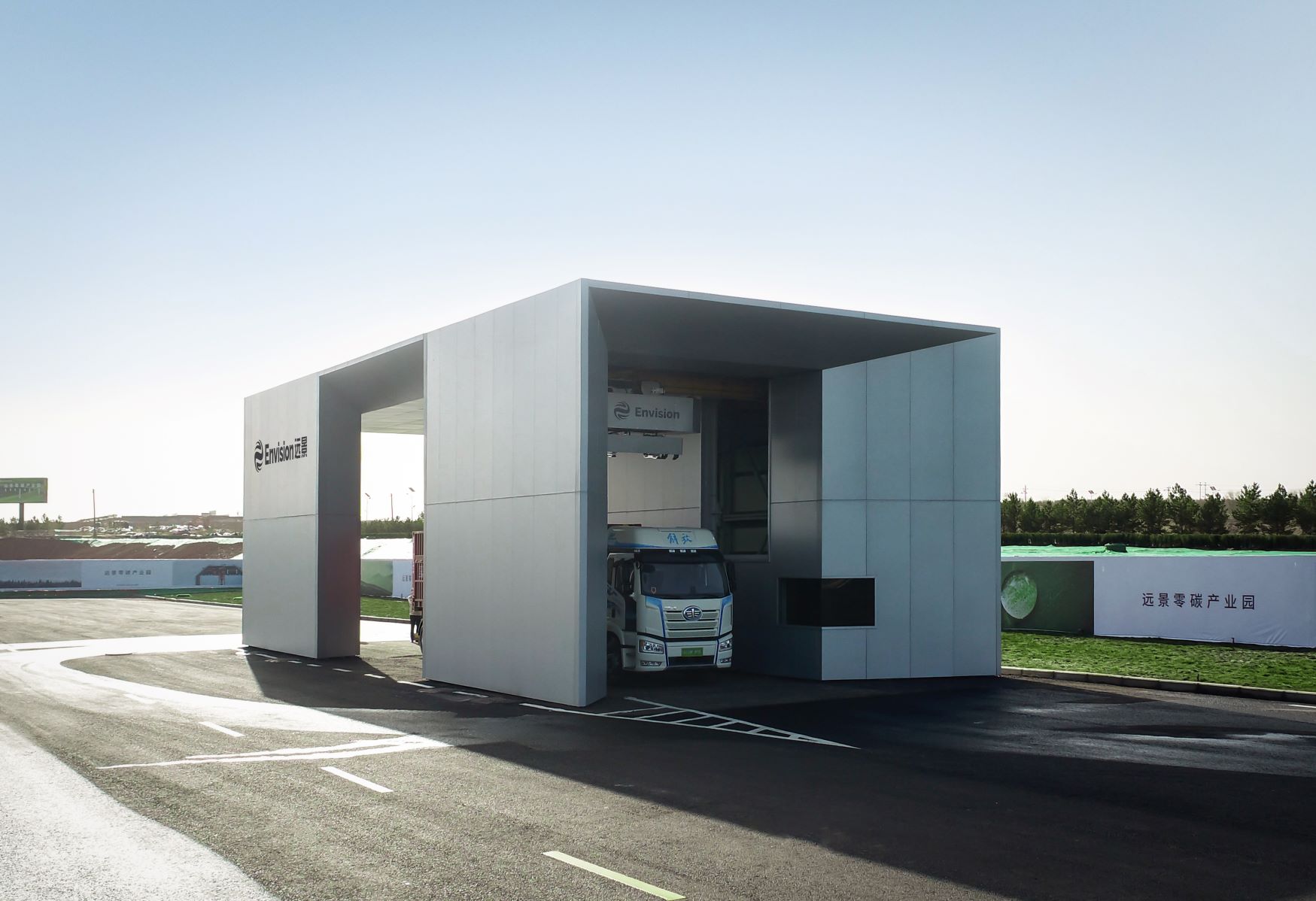
Zhao Weijun, executive director of Yuanjing Power and president of China District, told the reporter that through intelligent dispatching, this intelligent heavy truck power exchange station can effectively improve the efficiency of power exchange operation, provide safe and rapid clean energy supply for heavy trucks in local mining areas, participate in power grid load dispatching, and realize peak shaving, valley filling and green power consumption.
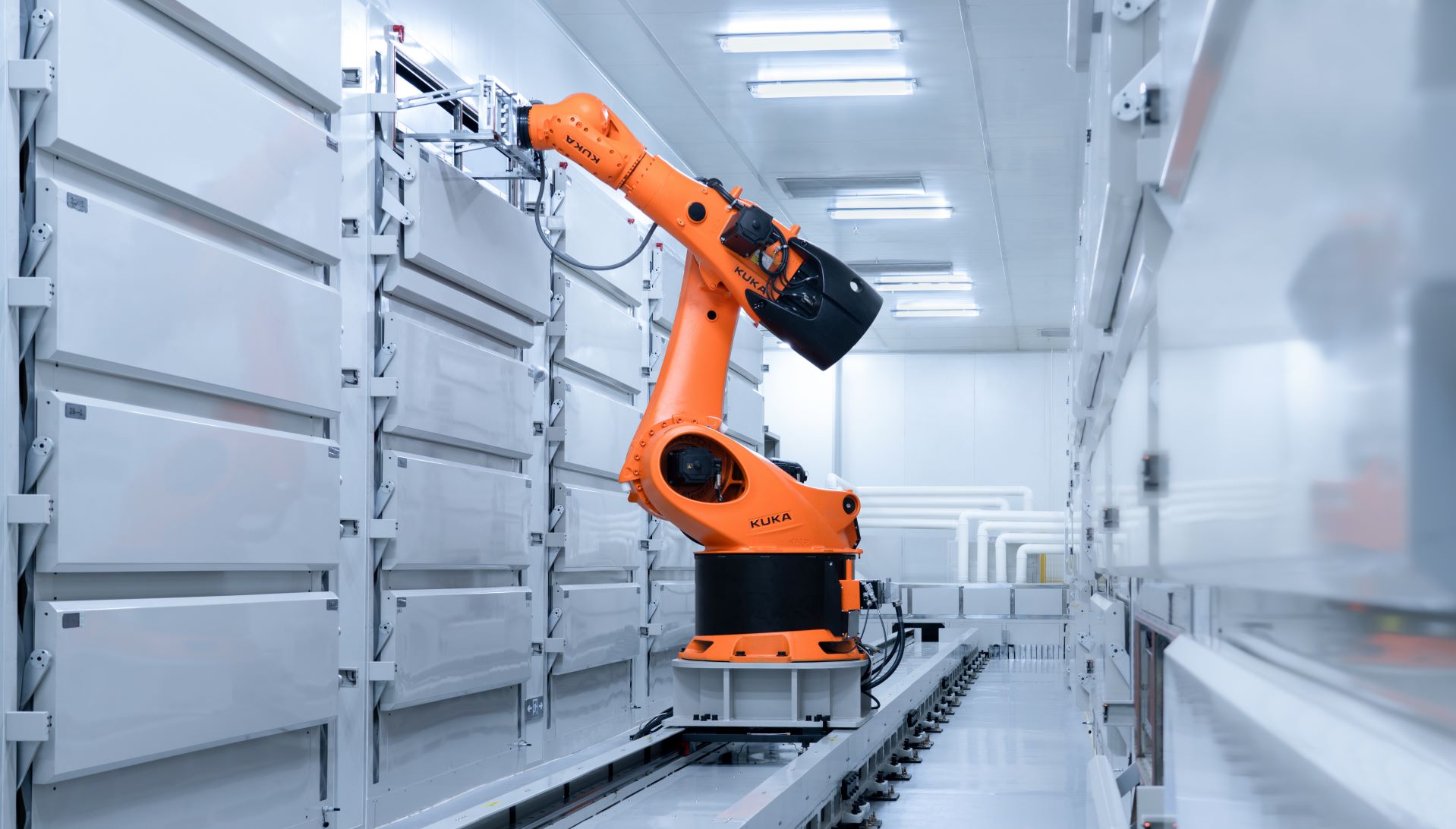
Vision Power, a power battery enterprise under Vision Technology Group, has laid out power and energy storage battery factories in Ordos Industrial Park.At present, the largest battery factory in the northern region, with an east-west direction of 530 meters, has put into production the power battery and energy storage battery capacity of 10GWh in the first phase.
The longer-term consideration behind the power battery project entering the zero-carbon industrial park is the threat of international carbon tariffs.In June this year, the amendment to the draft EU carbon border adjustment mechanism was formally adopted. According to the proposal, 2023-2025 is the transition period for the implementation of carbon tariffs in the European Union. Imported products do not need to pay carbon tariffs, but importers are required to submit quarterly reports including the total amount of imported products, direct and indirect carbon emissions of products and other information. From 2026, the EU will formally and comprehensively levy carbon tariffs.
Among them, the revision of the EU carbon tariff and the revision of the EU New Battery Regulation mean that the control of the local power battery industry chain in Europe will be stricter, and it will challenge China power battery industry chain enterprises to enter the European market.
This means that the cost of goods exported from China to Europe will further increase, and China needs to accelerate its zero-carbon transformation and obtain a "green pass".
According to Zhao Weijun’s calculation, taking a 100-degree battery pack as an example, the carbon emission in the manufacturing stage is about 5 tons. According to the recent carbon transaction price of 100 euros/ton, the potential carbon cost faced by exports is about 500 euros.
Interestingly, this is not only "not a problem" for enterprises in zero-carbon industrial parks, but an opportunity.
The "new power system" and "zero-carbon digital operating system" laid out in the zero-carbon industrial park jointly support the realization of intelligent manufacturing of zero-carbon batteries in the future — — The new power system provides 100% zero-carbon energy supply for battery production; Based on the intelligent IOT operating system EnOS and Ark Energy Carbon Management Platform, the zero-carbon digital authentication system gives each battery a "zero-carbon green code" that can be traced back to the source, conforms to various international standards, and has been certified by authoritative organizations, without fear of carbon tariffs, and is unimpeded in the world.
At present, a number of new energy head enterprises have settled in the park, initially forming.A battery and energy storage industry chain with vision as the leader and Huajing, Wanlitai and Rongli as the supporting facilities; The photovoltaic industry chain led by Longji; The manufacturing industrial chain of hydrogen fuel cells and green hydrogen equipment led by Meijin Guohong and GCL Group; The new energy automobile manufacturing industry chain led by Shangqi Hongyan and Jiehydrogen Technology.
With the rise of green new industrial clusters of new energy batteries, new energy equipment and new energy vehicles, Yuanjing Erdos Zero Carbon Industrial Park will become a model of global green industrial revolution.
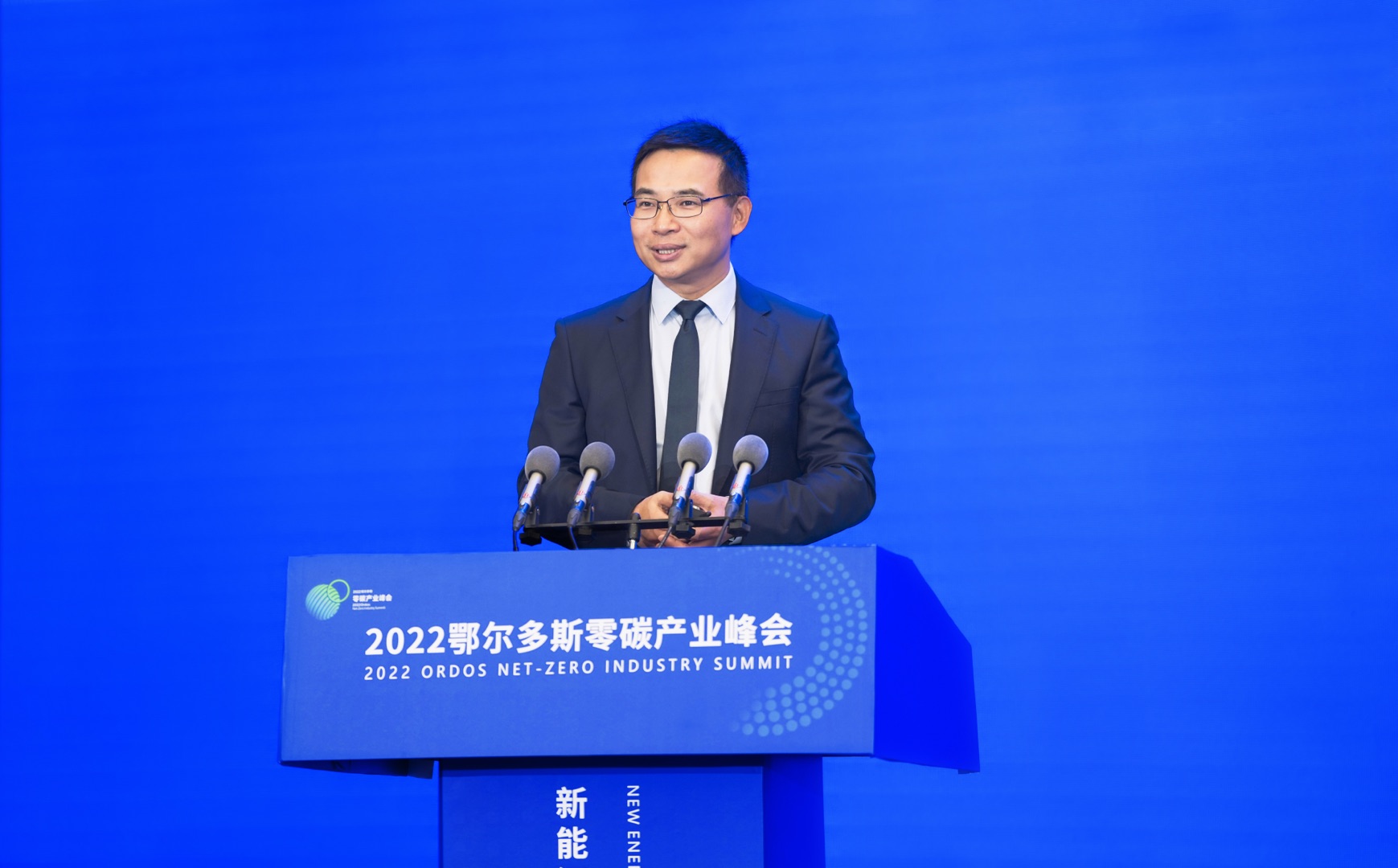
Zhang lei said at the 2022 Erdos Zero Carbon Summit that the green industrial revolution is not limited to the energy field. Under the fourth industrial revolution, a grand integration system will be built in the fields of wind power, photovoltaic, energy storage, power batteries and electric vehicles. Only by empowering the new industrial system and combining it with the information and Internet of Things technology in the third industrial revolution, especially artificial intelligence technology, can this system make the renewable energy system greener, more efficient and more stable, and effectively promote the development of the green industrial revolution.
Why zero carbon?
Despite the lack of an internationally recognized clear definition, the general logic of a zero-carbon industrial park is not difficult to understand — — Through the use of clean energy development and trading, industrial technological transformation and other means, the greenhouse gases generated in the park will be reduced and offset, and the production and operation of the park will achieve net zero emission.
Energy and industry have always been closely linked. In order to achieve zero carbon in industry, it is imperative to reduce carbon from the energy supply side. Zhang Yuan, senior director of strategy of Yuanjing Science and Technology Group, said that 80% of the electricity in the zero-carbon industrial park is directly supplied by renewable energy in the region, and 20% is traded with the power grid to realize 100% green zero-carbon energy supply.
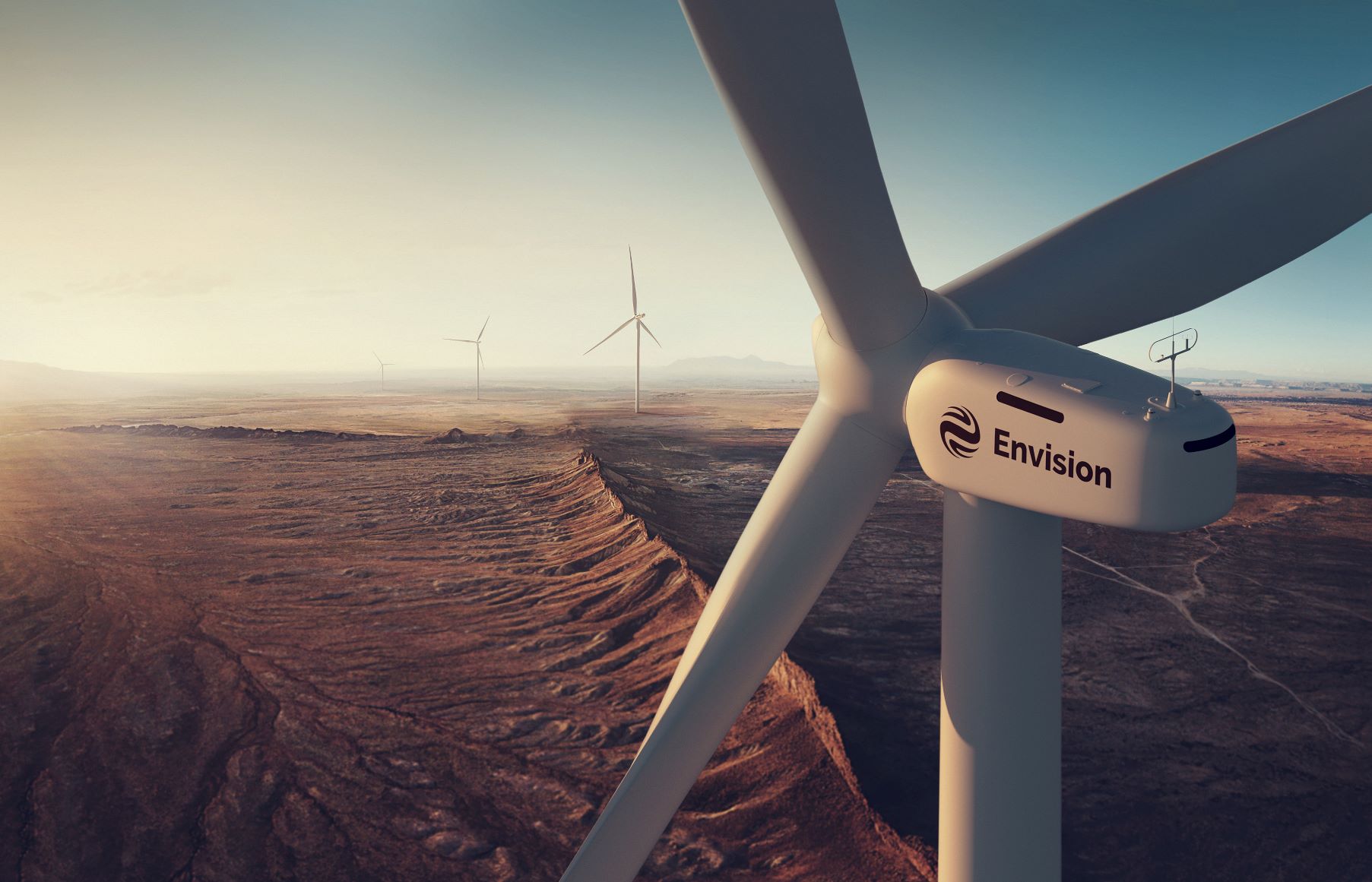
Whether it is wind power or photovoltaic, as a renewable energy, it is inevitable to escape the dilemma of "looking at the sky and eating", but industrial production cannot stop. In order to solve this problem, Yuanjing Erdos Zero Carbon Industrial Park provides two solutions: exploring smart microgrid and large-scale energy storage.
The first is the control and scheduling of new power system based on renewable energy.As a park-level project, its components are different from those of large power grids. The high proportion of direct supply of wind, light and green electricity makes the energy structure different from that of the grid power which is still dominated by thermal power at present, and the number of downstream users is less than that of the grid power, which means that the load balance space is more limited. Therefore, it must be realized by accurately forecasting the wind and solar power, establishing a reasonable power market trading mechanism in the park, and actively interacting with large power grids and optimizing power flow management, all of which need to integrate this set of iterative optimization algorithms into the new power system.
The second is large-scale energy storage.Not only one kind, but a variety of energy storage methods are integrated. Electrochemical energy storage can only store energy for 4 hours within the current technology and price range. The park not only reserves the interaction between 20% electricity and the power grid, but also explores the integration of energy storage for a longer period of time, such as liquid air energy storage, which can realize energy storage at the level of days or even weeks.
"The new power system is to balance three core issues. The first issue is to achieve a high proportion of green energy, the second is to maintain the stability of the power grid, and the third is to realize that electricity prices are competitive. These three things are in a process of constant balance. " Zhang Yuan briefly pointed out the difficulties.
In fact, this difficult balance has been almost achieved in the zero-carbon industrial park. In addition to achieving stable and green energy, the electricity price in Yuanjing Zero Carbon Industrial Park is 20% lower than the industrial and commercial electricity price in Inner Mongolia.
In the past industrial system of China, because the electricity price was relatively low and stable, the problem of electricity cost was not widely and deeply considered. However, this situation is changing. This year, all industrial and commercial enterprises bought electricity, bid farewell to the government catalogue electricity price that has been used for many years, and adopted the market-oriented electricity price that fluctuates with the on-grid electricity price of coal-fired electricity. The price transmission is not smooth due to the weak downstream demand, so enterprises have to think about the coping strategies of reducing costs and increasing efficiency.
Qiu Lin, chief scientist of Yuanjing intelligent zero-carbon products, believes that the zero-carbon industrial park is actually the local consumption of green electricity, which will further improve the economic benefits of green electricity and reduce the energy consumption cost of enterprises.
However, it is not easy to build a new power system with the local power grid, and it needs local support in policy innovation. Zhang Yuan said that Inner Mongolia Autonomous Region practiced the concept of "ecological priority and green development" and launched a series of policies.
"Insist that Castle Peak will not relax"
Anyone who has visited Ordos Zero-carbon Industrial Park will be convinced that this large-scale zero-carbon experiment is definitely a "two-way trip" between enterprises and the government, capital technology and institutional mechanisms.
"There is no precedent and no reference for building a zero-carbon industrial park. We can only grope our way forward." Du Yanbin, deputy flag-bearer of the People’s Government of Ejinhoro Banner in Ordos, admitted frankly at the 2022 Ordos Zero Carbon Industry Summit that in the face of different voices and numerous challenges, the government grasped the new energy projects with the tenacity of "sticking to the green hills and not relaxing" and the determination of "not turning back until reaching the goal", which led to the gathering of the whole industrial chain of "scenery hydrogen storage vehicles" and the momentum of building a zero carbon industrial park competing with generate.
In order to do a good job as a "support group", governments at all levels have set up special classes for the construction of zero-carbon industrial parks, covering all functional departments and enterprises involved, and established a vertical and horizontal communication and cooperation mechanism. Through close scheduling to solve problems, exchange views and build consensus, a good pattern of government building, enterprise singing opera and industry matchmaking has been formed, which has injected strong confidence and inexhaustible motivation into the early completion of the zero-carbon industrial park.
"The autonomous region attaches great importance to our zero-carbon industrial park and has set up a special class. In terms of the approval process, the government has done a lot of optimization and streamlining, which has made our industrial park land very fast. At the same time, there are a lot of scenic resources and industrial bases around Ordos, which are suitable for making a zero-carbon industrial park. These are the factors that we choose to make a zero-carbon industrial park together." Gu Lizhen, product director of Yuanjing Zero Carbon Business, said.
From the autonomous region to the development zone, there is no support.In order to seize the commanding heights of the equipment manufacturing industry, in recent years, Inner Mongolia has intensified its top-level design and launched a number of policy documents to fully promote the high-end, clustered and large-scale development of the equipment manufacturing industry.
From the Inner Mongolia Autonomous Region Modern Equipment Manufacturing Industry Development Plan (2013— 2020) to "Several Opinions on Further Supporting the Accelerated Development of Modern Equipment Manufacturing Industry", and then to "Implementation Plan for High-quality Development of New Energy Equipment Manufacturing Industry in Inner Mongolia Autonomous Region (2021— In 2025), the thinking is gradually clear, the direction is clearer, and the measures are more specific. "Strive to build Inner Mongolia into a modern equipment manufacturing industrial base in China" is being put into practice from the vision.
Up to now, the achievements of the project have begun to show: the context of the construction of zero-carbon industrial park has become clearer, and the practice of "1+2+5+8" innovative demonstration system to realize the zero-carbon concept has been gradually implemented: large-scale scenery storage projects are planned to be connected to the grid during the year, new energy planning has been completed for approval, the standard of "Evaluation Method for Green Power Application" in Inner Mongolia Autonomous Region has been officially released, the standard of "Construction Specification for Zero-carbon Industrial Park" will be officially released soon, and eight innovative demonstrations are being cultivated.
The vision has never concealed the ambition of promoting zero-carbon industrial parks around the world. Zhang lei said,In the future, the mission of the vision is to make the zero-carbon industrial park — — China’s original products and standards go global, and it can become an important promoter of the green industrial revolution with more partners. By 2030, Vision will join hands with partners to build 100 zero-carbon industrial parks and realize 1 billion tons of carbon emission reduction worldwide every year.
From experiment to popularization, from Ordos to the whole world, this seemingly grand and distant goal is becoming a reality step by step.