The physical examination season is coming. What preparations should be made before the physical examination?
Original care for you and your family, healthy people and healthy people.

Physical examination season
Diet, medication and physical activity before physical examination have a great influence on the results of physical examination, sometimes important health information is omitted, and sometimes even "false abnormal results" are caused, which may lead to re-examination or further examination after physical examination. Therefore, before the physical examination, we should restore the truest physical condition to ensure the accuracy of the physical examination results.
Physical examination results that will "lie"
one
Fasting blood sugar: Before blood collection in the morning, it is generally necessary to fast for at least 8 hours, so you can’t eat after 8: 00 pm the day before physical examination (you can drink water at night, and don’t drink water or drink a little water in the morning of physical examination), otherwise the fasting blood sugar test value may be too high. Of course, if you haven’t eaten for a long time, such as more than 18 hours, or you are too hungry after strenuous activities in the morning, you may also have low fasting blood sugar, which may lead to inaccurate physical examination results.
2
Blood lipid: If you drink a lot of alcohol and eat a lot of meat or other high-fat foods before the physical examination, the blood lipid test results may be too high.
three
Liver function: Overeating high-protein food or doing strenuous exercise a few days before physical examination can cause the level of blood aminotransferase to increase. If you drink a lot of alcohol a few days before the physical examination, it may cause an increase in blood aminotransferase and/or bilirubin levels. Staying up late before physical examination may also lead to an increase in blood aminotransferase levels. After strenuous exercise, blood concentration may lead to an increase in serum total protein levels.
four
Renal function: Excessive intake of high-purine foods, such as beer, seafood and animal offal, may lead to an increase in serum uric acid.
five
Blood pressure and heart rate: staying up late before physical examination, poor sleep quality, strenuous activity, excessive tension, smoking, drinking tea or coffee can all lead to an increase in blood pressure and heart rate during physical examination.
The purpose of physical examination is to give the body a comprehensive "overhaul", so we can not deliberately change the previous eating and living habits for the sake of "beautiful" physical examination results; You can’t take the physical examination seriously, overeat unscrupulously, and keep your daily life before the physical examination.
one
What preparations do you need to make before physical examination?
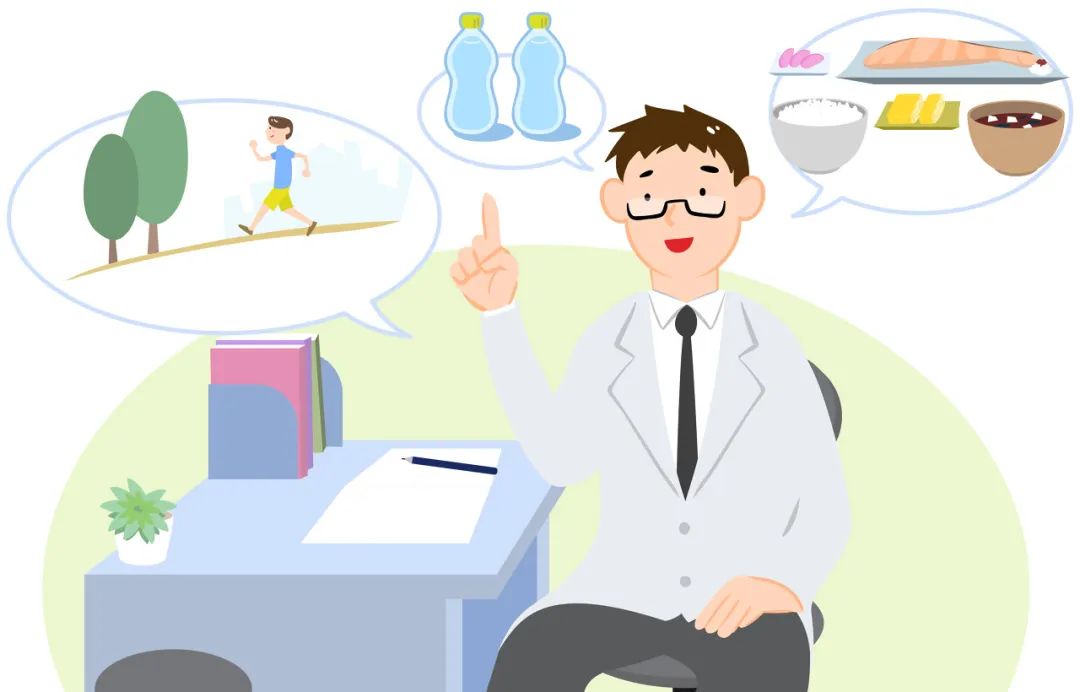
1 3 ~ 5 days before physical examination: maintain daily diet and avoid staying up late; Take medicine regularly.
② 1 ~ 2 days before physical examination: No drinking, fasting after 8: 00 pm the day before physical examination; Take drugs regularly; Avoid strenuous exercise and ensure adequate sleep; It is recommended to take a bath the night before the physical examination.
③ Early morning on the day of physical examination: fasting (you can drink a small amount of boiled water, but it should not exceed 200ml; If you have made an appointment for gastroscopy, please don’t drink water), tea and drinks; Do not smoke; Avoid morning exercises; Daily fasting, regular medication; Please take daily non-fasting drugs with you and take them at meals after the fasting physical examination is completed; Go into battle lightly, wear loose clothes and shoes that are easy to put on and take off; Try not to wear accessories, especially metal objects.
④ Special preparation for women before physical examination: women should avoid taking medicine in the same room or vagina within 3 days before physical examination; If you want to do gynecological cervical cancer screening project (recommended by those with sexual history), you need to avoid the physiological period, at least after 3 days of clean menstruation; If you want to do a sex hormone test, it is recommended to take blood on the 3 rd to 5 th day of the physiological period.
2
Why do some physical examination items have to be completed on an empty stomach?
Before physical examination, it is usually recommended to have an empty stomach for 8-10 hours, because eating will affect the results of blood sugar, liver function, abdominal ultrasound, gastrointestinal tract and other examinations.
① Eating will increase the content of some substances in blood, which will affect the accuracy of test results, such as blood sugar, blood lipid and liver function.
② An empty stomach can empty the upper digestive tract, which can eliminate the influence of food retention on the imaging examination results.
③ In the morning, when the body is on an empty stomach, it is close to the basal metabolic state, and the examination results can reflect the actual situation of the body relatively truly.
three
How long is it appropriate to fast on an empty stomach in physical examination?
Fasting time varies with different examination items. The fasting of blood test requires fasting for more than 8 hours after dinner the day before, and the best blood drawing time the next day is from 6: 30 to 9: 30 in the morning, and no later than 10: 00. Because fasting for more than 12 hours, hormones secreted by the human body may affect biochemical indexes such as blood sugar, aminotransferase and urine ketone body, which can not accurately reflect the physical state and lose the significance of testing.
four
Physical examination should be on an empty stomach, not without taking medicine.
Some physical examination items do require fasting, but patients with chronic diseases such as diabetes, hypertension and coronary heart disease should be treated differently, and stopping drugs rashly may have risks, such as sudden rise of blood pressure and myocardial ischemia.
① Antihypertensive drugs: It can be taken with a small amount of water during the usual medication time, and the physical examination can just know whether the blood pressure is up to standard.
② Hypoglycemic drugs: Can’t be taken on an empty stomach, usually taken after meals or during meals. During the physical examination, diabetic patients must take hypoglycemic drugs with them, and eat and take medicine in time after completing the fasting examination.
③ Other drugs taken regularly on weekdays: It is recommended to take them with you during physical examination, and consult the doctor whether and when to take them before physical examination.
five
Don’t drink plenty of water before physical examination, not that you can’t drink water.
It is no problem to drink a small amount of water before physical examination, for example, to take medicine. So, how much is a small amount of water? What kind of water can I drink?
A small amount of water means no more than 200ml of boiled water or mineral water. Remember, you must not drink drinks, wine, tea, coffee or dairy products, because these drinks containing sugar, protein or caffeine may suddenly raise blood sugar and affect the results of liver function tests.
six
Some blood tests do not require fasting.
Blood coagulation function, glycosylated hemoglobin, blood routine, erythrocyte sedimentation rate, thyroid function, rheumatism immunity and other items do not need fasting.
seven
How to effectively prevent needle fainting and blood fainting
It’s not terrible to get dizzy with needles and blood, it’s a normal protective reaction of the human body. If you have ever experienced needle fainting and blood fainting, you can inform the medical staff before taking blood; In the process of blood collection, look away from the puncture site and distract attention, such as active conversation. When there is aura of syncope, it can be adjusted by taking a deep breath; Don’t get up immediately after blood collection, so as not to faint and fall, sit still or lie down for a while, or drink warm boiled water or sugar water to relieve anxiety and tension.
eight
What are the precautions for leaving urine?
① Avoid drinking plenty of water and strenuous exercise before inspection.
② If it is difficult to take the first morning urine, you can take the second morning urine, which can also accurately reflect the basic situation of urine.
③ Avoid urine pollution caused by feces, semen and vaginal secretions, and women should avoid menstrual period.
④ Take the middle urine instead of the urine at the beginning and the end.
⑤ The container must be clean. Generally, hospitals will provide disposable containers, and fingers should avoid touching the inside of the container when holding the container.
Take the initiative to explain that the drugs taken, such as vitamin C, may affect the results of routine urine examination.
nine
What should I pay attention to when taking stool samples?
Routine fecal examination is one of the three routine examination items. Through the examination results, we can know whether the digestive tract, liver, gallbladder, pancreas and other organs are diseased.
① Tumors, inflammations or polyps in the intestine can damage the intestinal mucosa, lead to mucus exudation, capillary rupture, etc., which in turn leads to bloodshot feces, mucus or pus. Therefore, when taking stool samples, the parts with these abnormal appearances should be selected for inspection.
② When the digestive tract is infected by parasites, the feces will be mixed with parasites or eggs, and the distribution is uneven. Therefore, in order to improve the detection rate, more materials should be taken.
③ Vitamin C, iron, meat, liver, blood, chlorophyll-rich vegetables and iron-containing foods can make the fecal occult blood test false positive. Therefore, the tester should try not to take this kind of food or supplement 3 days before taking the specimen.
④ If urine, plants, soil, sewage and other impurities are mixed in the stool samples, the tangible components, plant seeds, pollen and fungal spores contained in them will easily interfere with the test results. Therefore, the feces collection box should be clean, and it should not be scooped from the urinal or the ground.
⑤ Absorbent materials such as diapers, toilet paper and cotton swabs can affect tangible components such as cells, thus affecting the accuracy of the results. Therefore, non-absorbent or leaky containers should also be selected to collect feces.
⑥ If it is not sent for inspection for a long time, the cellular components in feces will be destroyed and decomposed. Therefore, fecal samples should be tested within 2 hours after being taken.
Content source:
People’s Health Publishing House published "100,000 Health Why Series-Healthy Every Day"
Editor-in-chief of this book:
Wu Liuxin, former researcher of Air Force Institute of Aviation Medicine.
Professor Peking University Chang Chun, an expert in the national health science expert database.
Author of this article:
Lin Yanhui Wang Yaqin Chen Ming Yang Saiqi Han Shuyi
Read the original text