China’s rural old-age service system has been accelerated, and 68.1% of towns and villages have established comprehensive functional old-age care institutions.
CCTV News:The countryside has always been a shortcoming in China’s old-age service system. The reporter learned from the Ministry of Civil Affairs that this year, the construction progress of the three-level rural old-age service system in various counties and villages has been significantly accelerated.
The so-called three-level old-age service system in counties and villages means that there is at least one disabled centralized care institution at the county level to realize the "all care" for disabled poor people who are willing to stay. At the township level, home care service centers will be built, and relying on the home care service centers in townships, mutual care points will be built at the village level to provide services such as centralized food assistance, mobile medical assistance, and on-site support for the surrounding elderly. Take Anyuan County, Jiangxi Province as an example, there is a county-level comprehensive welfare home and 13 rural nursing homes, and all township (town) pension institutions have clinics.
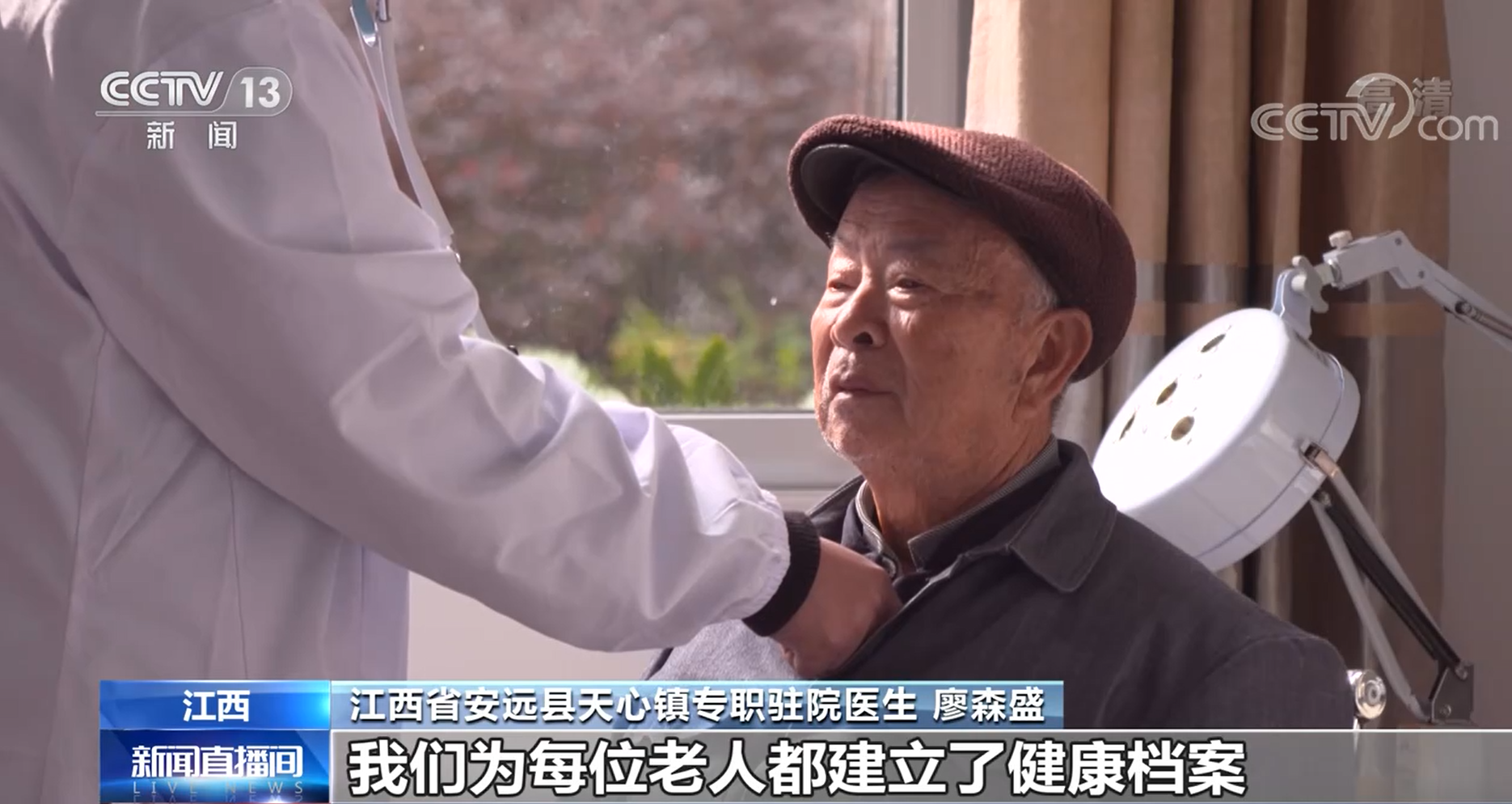
Liao Sensheng, a full-time resident doctor in Tianxin Town, Anyuan County, Jiangxi Province:We have established a health record for every old person. At ordinary times, we will record and track the inspection and diagnosis and treatment of the old people.
Relying on township nursing homes, Anyuan County has set up more than 50 mutual happiness homes at the village level to provide voluntary services such as cleaning, hairdressing, medical care, cultural entertainment, legal aid, etc. for the poor elderly, disabled and semi-disabled, demented, and those who need to stay behind and live alone.
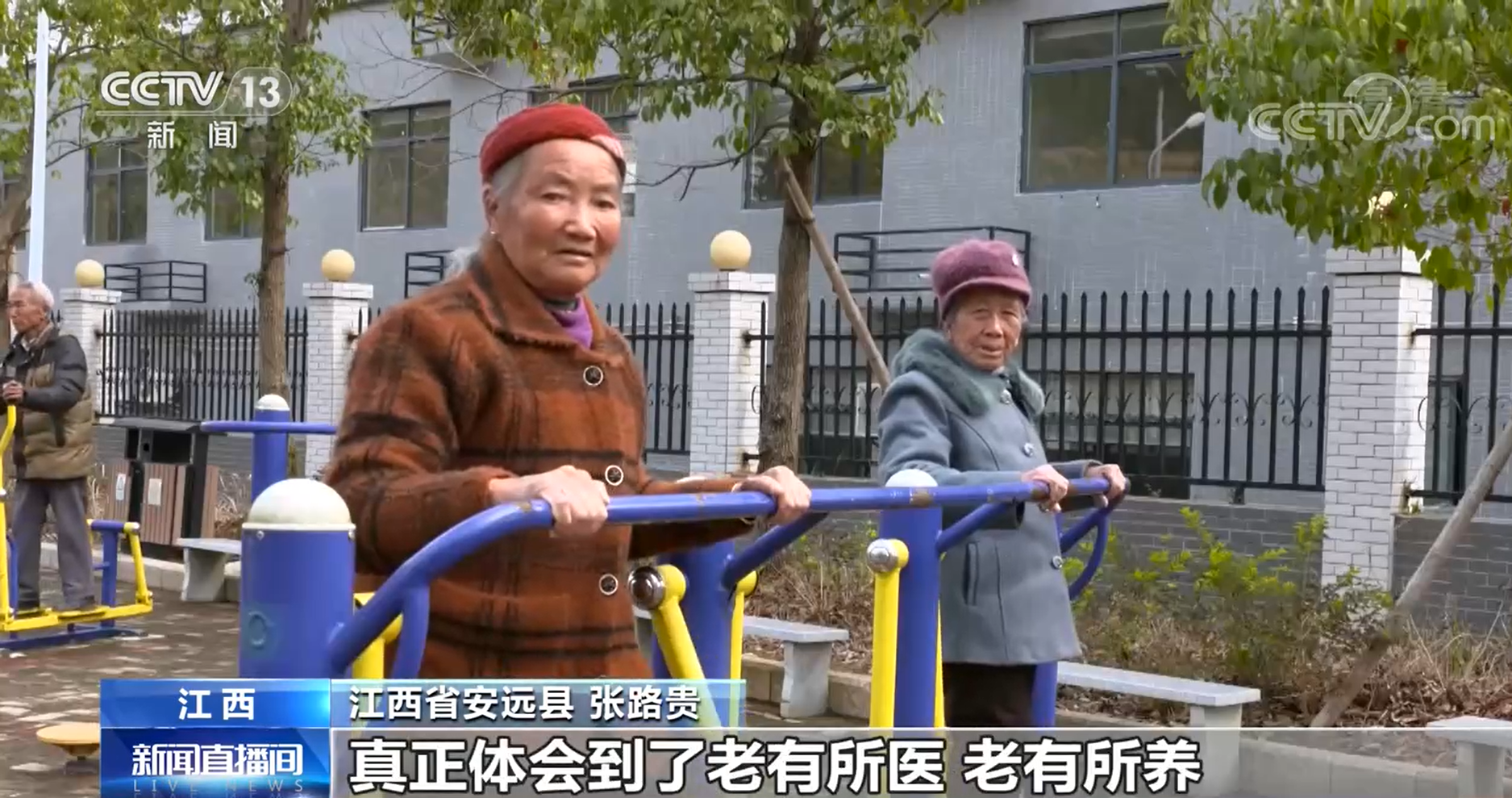
Zhang Lugui, Anyuan County, Jiangxi Province:When we old people came here, we felt very comfortable, and we really realized that the old people had medical care and a sense of security.
Statistics from the Ministry of Civil Affairs show that at present, the proportion of nursing beds in county-level support service institutions for the extremely poor has reached 63.7%, and 68.1% of towns and villages have established pension institutions with comprehensive functions. Rural mutual care services for the elderly, visits and care for the left-behind elderly, and meals for the elderly have been widely carried out.
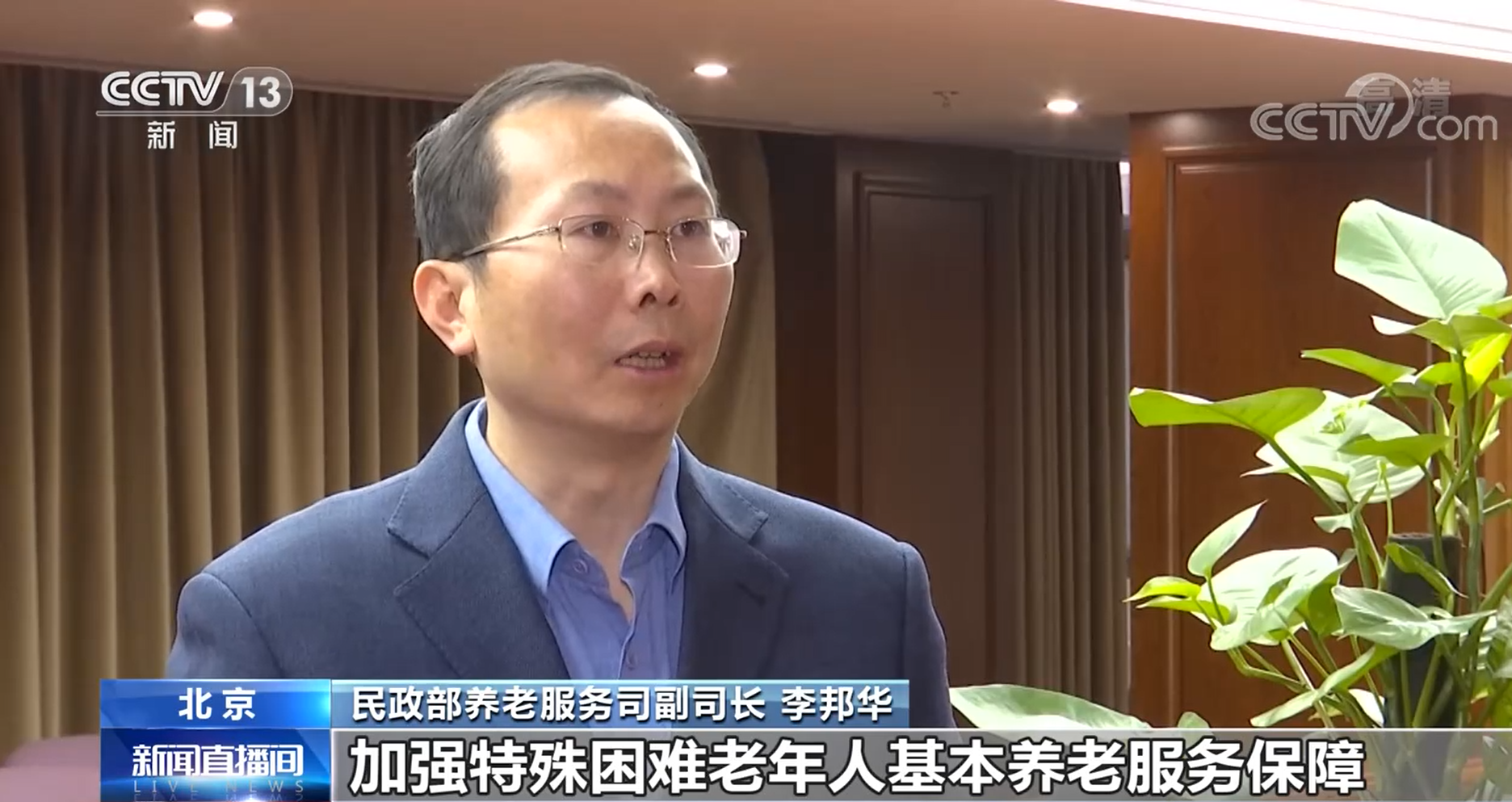
Li Banghua, Deputy Director of the Department of Pension Services of the Ministry of Civil Affairs:During the "Fourteenth Five-Year Plan" period, we will focus on promoting the network construction of three-level old-age services in counties and villages, strengthening the basic old-age service guarantee for the elderly with special difficulties, and promoting the connection and development of rural old-age services in the rural revitalization strategy and the national strategy of actively responding to the aging population.